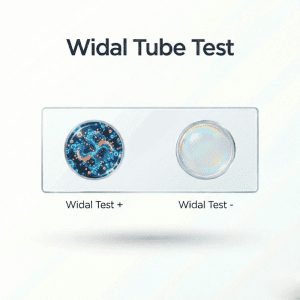
 Living in bustling areas like Vikhroli means high exposure to common infections — especially typhoid fever. One of the most widely used diagnostic tests for typhoid is the Widal Tube Test. If you’re searching for an accurate and quick Widal Tube Test test in Vikhroli, this detailed guide simplifies everything — from test details and preparation to cost, reliability, and trusted labs near you.
What is a Widal Tube Test?
The Widal Tube Test is a specialized blood test used primarily to assist in the diagnosis of typhoid fever. Typhoid is a bacterial infection caused by Salmonella Typhi, and the Widal test helps detect specific antibodies in the blood that indicate exposure to this bacterium.
Unlike rapid strip tests, the Widal Tube Test uses a tube technique that improves sensitivity, making it a more reliable option when evaluating the presence of typhoid antibodies.
Why Get a Widal Tube Test in Vikhroli?
Residents of Vikhroli trust local diagnostic centers for several key reasons:
- Fast Turnaround: Reports available within 24–48 hours.
- Affordability: Competitive pricing compared to metropolitan rates.
- Experienced Technicians: Skilled lab professionals handle sampling and testing.
- Easy Accessibility: Multiple labs within walking distance across East and West Vikhroli.
Understanding the Need
Every year, typhoid affects thousands of people in India due to contaminated food and water. Early detection through tests like the Widal Tube Test can:
- Prevent complications such as intestinal perforation
- Enable timely antibiotic treatment
- Reduce the duration of illness
- Avoid misdiagnosis with other febrile diseases
Who Should Take the Widal Tube Test?
You should consider the Widal Tube Test test in Vikhroli if you are experiencing:
- Persistent fever lasting more than 3 days
- Severe headache
- Stomach pain
- Loss of appetite
- Fatigue
- Diarrhea or constipation
- Rash with flat, rose-colored spots
- Recent travel to areas with unsafe water or food
This test may also be advised if your doctor suspects typhoid based on your symptoms and clinical history.
How the Widal Tube Test Works
Here’s a simple breakdown of how the Widal Tube Test is conducted:
- Blood Collection: A small blood sample is taken from your arm.
- Serum Separation: The technician separates the serum (liquid part of blood).
- Testing with Antigens: The serum is mixed with known antigens of Salmonella Typhi.
- Observation: The test checks for visible clumping (agglutination) which indicates antibodies.
- Report Generation: Results are generated and analyzed by a pathologist.
This test evaluates antibodies against two main antigens:
- O-antigen (indicates current infection)
- H-antigen (indicates past exposure)
Preparing for the Test
Good preparation ensures accurate results. Follow these steps:
- Avoid antibiotics 48 hours before the test (if medically allowed)
- Fast for 6–8 hours before blood extraction
- Drink plenty of water
- Inform the lab technician about current medications
Note: Patients with recent vaccination or immunization history may show altered antibody levels.
Widal Tube Test Procedure – Step by Step
- Booking the Test: Schedule your test online or by phone.
- Arrive at the Lab: Reach the chosen diagnostic center at the appointment time.
- Sample Collection: A trained phlebotomist draws your blood.
- Processing: Your blood sample is taken to the lab for analysis.
- Result Delivery: Most centers share the final report digitally or in person within 24–48 hours.
- Doctor Consultation: Review results with your physician for treatment decisions.
Interpreting Widal Tube Test Results
Results are interpreted by measuring agglutination levels. Common interpretations include:
- Negative Result: Low antibody levels — likely no current infection.
- Borderline: Slight elevation — possible early infection or past exposure.
- Positive Result: High antibody levels — suggests active typhoid infection.
Your doctor will interpret results based on symptoms and history, not only antibody titer values.
Accuracy & Limitations
While the Widal Tube Test is widely used, it has limitations:
📌 Pros:
- Cost-effective
- Widely available
- Helps early detection
📌 Cons:
- May produce false positives due to past infections or vaccines
- Not definitive alone — should be evaluated with symptoms, physical examination, and other labs
Your doctor might recommend follow-up tests like blood culture or PCR for confirmation.
Tips for Residents in Vikhroli
- Book in Advance: Fever season increases testing demand
- Record Symptoms: Helps doctors interpret results better
- Ask for Report Interpretation: Don’t just collect the report — understand it
Follow-Up Care: If positive, follow your doctor’s antibiotic prescription strictly