
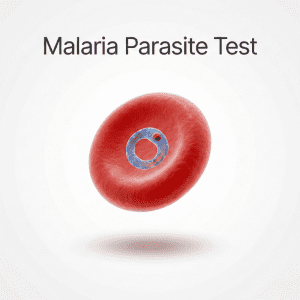
 Malaria remains one of the most serious mosquito-borne diseases in India, especially in areas with high humidity and rainfall. One of the most reliable ways to diagnose malaria quickly and accurately is through Malaria Parasite detection by Smear examination test. If you are looking for the fastest and most precise malaria diagnosis in Vikhroli, this article covers everything you need — from how the test works, where to get it done locally, preparation tips, cost expectations, and post-test steps.
What Is the Malaria Parasite Detection by Smear Examination Test?
The smear examination test is a laboratory technique used to detect the presence of malaria parasites in a patient’s blood. It remains the gold standard for malaria diagnosis because it allows doctors to see the parasites under a microscope. In this test:
- A small drop of blood is drawn.
- That blood is smeared on a glass slide.
- A special stain is applied.
- A trained technician examines it under a microscope.
The test can identify which specific Plasmodium species is causing the infection — such as P. falciparum or P. vivax, which are common in India.
Why Choose Smear Examination for Malaria Detection?
Here’s why the smear examination continues to be trusted:
Accurate Identification
Unlike rapid tests that only detect antigens, the smear examination shows the actual parasite.
Species Determination
It helps distinguish between malaria strains. This is important because treatment depends on the parasite type.
Early Detection
When done promptly, it catches the parasite even at low levels in the blood.
Quick Results
Depending on the lab, results can be ready in a few hours.
Common Symptoms That Require Testing
If you’re in Vikhroli and experiencing any of the following, consider getting a malaria smear test immediately:
- High fever with chills and sweats
- Headache and muscle pain
- Fatigue and weakness
- Nausea or vomiting
- Anemia or jaundice
- Rapid heartbeat
These symptoms often mimic other infections, so lab confirmation is necessary.
The Malaria Smear Test Process (Step by Step)
1. Consultation
A doctor or clinician will assess your symptoms and medical history.
2. Blood Collection
A small blood sample is taken from your finger or vein.
3. Slide Preparation
The technician spreads the blood as thin and thick smears on a slide.
4. Staining
Slides are treated with special dyes (like Giemsa stain) to make parasites visible.
5. Microscopic Examination
A trained laboratory technician examines the slide for parasites.
6. Reporting
Results are shared typically within 4–8 hours, sometimes faster in urgent cases.
Cost of the Test
The malaria smear examination test is affordable in Fastest Health, typically ranging between ₹120–₹120.
Preparation Before the Test
You don’t need extensive preparation, but it helps to:
- Avoid heavy meals before testing
- Stay hydrated
- Inform your doctor about medications you are on
- Provide accurate medical history
No fasting is usually required.
Interpreting the Results
Positive Result
If parasites are visible under the microscope, it confirms malaria infection. The lab report will also usually specify:
- Which Plasmodium species is present
- Approximate parasite load
Negative Result
No parasites seen in the blood smear. If symptoms persist, doctors may recommend repeat testing after 12–24 hours.
When Should You Repeat the Test?
Sometimes parasites are not visible in early infection. Doctors may advise repeat testing if:
- Symptoms continue or worsen
- Fever patterns change
- Initial test was done very early after symptom onset
Treatment Options After Detection
Once malaria parasite is detected:
Standard Treatment Includes:
- Antimalarial medications like Artemisinin-based Combination Therapies (ACTs)
- Supportive care (fluids, fever reducers)
- Close monitoring of symptoms
Treatment varies based on the species detected and severity.
Importance of Early Detection
Early malaria detection can significantly reduce:
- Risk of severe disease
- Hospital stay duration
- Complications like anemia or organ damage
- Spread of infection within the community
Preventing Malaria
Since malaria spreads via mosquitoes:
- Use mosquito repellents
- Sleep with nets or screens
- Eliminate stagnant water
- Wear protective clothing
- Use household insecticides