
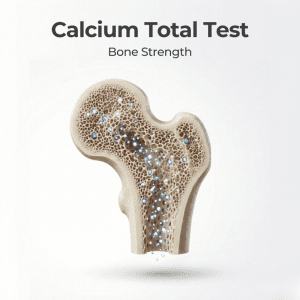
 Understanding your body’s nutrient balance is vital to maintaining long-term health. One of the essential health checks doctors recommend is the Calcium Total test, especially if you’re experiencing symptoms related to bone, kidney, or hormone function.
In this guide, we explain everything you need to know about the Calcium Total test in Vikhroli — from what it is to why it’s important, how it works, and what the results may mean for your health.
What Is a Calcium Total Test?
A Calcium Total test is a blood test used to measure the total amount of calcium in your bloodstream — including both the calcium that is bound to proteins and the free (unbound) calcium. Calcium is one of the most important minerals in your body, playing a role in bone strength, nerve function, muscle contraction, heart rhythm, and enzyme activity.
Why the Test Matters for Your Health
Calcium plays many roles in maintaining your body’s day-to-day functions:
- Supports bone and teeth strength
- Regulates muscle contractions including the heart
- Helps with nerve signaling
- Plays a role in blood clotting and hormone release
Since calcium affects such a wide range of systems, abnormal levels — whether high or low — can signal underlying health issues.
Common Reasons Your Doctor May Order It
You may be advised to take a calcium total blood test in Vikhroli if you:
- Have symptoms of calcium imbalance (e.g., fatigue, cramps, bone pain)
- Are undergoing routine annual screening
- Have a condition that affects calcium levels, such as thyroid or kidney disorders
- Are taking medications or supplements that influence calcium levels
- Need monitoring during treatment for chronic conditions
Early detection through this test helps prevent progression of diseases and ensures timely treatment.
How the Calcium Total Test Works
The test is simple and quick:
- A healthcare professional draws a small blood sample from your arm.
- The sample is sent to a lab, where it’s analyzed for total calcium levels.
- Results are usually available within 24–48 hours.
No special preparation is typically needed, although your doctor may advise fasting if multiple tests are being done together.
Normal Ranges and What the Results Mean
In most adults, normal total blood calcium levels generally fall in this range:
8.4 – 10.2 mg/dL (milligrams per deciliter).
High Calcium (Hypercalcemia)
High levels of calcium may point to:
- Hyperparathyroidism (overactive parathyroid glands)
- Some cancers
- Excessive vitamin D intake
- Bone disorders
- Kidney disease
Symptoms may include fatigue, increased thirst, constipation, nausea, and joint pain.
Low Calcium (Hypocalcemia)
Low calcium levels may be caused by:
- Vitamin D deficiency
- Underactive parathyroid glands
- Kidney disease
- Magnesium deficiency
- Malnutrition
Symptoms may include muscle cramps, tingling fingers, irritability, or heart rhythm issues.
If your test results are outside the normal range, your doctor will likely order further checks or recommend lifestyle changes.
Why Get Your Calcium Total Test in Vikhroli
Vikhroli, a bustling suburb in Mumbai, is home to many quality healthcare labs and diagnostic centers that offer reliable testing services with quick turnaround times. Local residents can conveniently access this test as part of regular health checkups or specific diagnostic needs.
Whether you’re planning a routine health check or need this test as part of a medical evaluation, it’s easily available at diagnostic centers in and around Vikhroli.
Cost of Calcium Total Test in Vikhroli
The cost of the Calcium Total test in Vikhroli can vary depending on:
- Lab facility
- Urgency of report
- Whether it’s part of a larger health package
Prices are generally affordable and often bundled with general health screening panels.
Benefits of Taking This Test Regularly
Regular monitoring of calcium levels helps with:
- Detecting early signs of bone or kidney disorders
- Monitoring parathyroid gland function
- Assessing risk of cardiovascular issues
- Supporting treatment plans for chronic illnesses
- Guiding diet and supplement recommendations
Overall, it supports proactive health management.