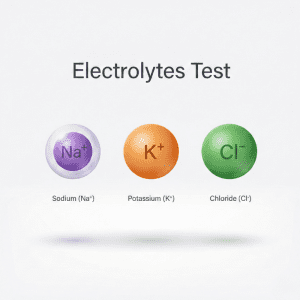
 Maintaining the right balance of electrolytes is essential for your body’s optimal functioning. Electrolytes such as sodium, potassium, chloride, calcium, and magnesium regulate nerve impulses, muscle function, hydration, and pH levels. When this balance is disrupted, it can lead to fatigue, cramps, dehydration, and serious health issues.
If you are in Kanjurmarg, Mumbai and need accurate health insights, an Electrolytes test in Kanjurmarg is a simple diagnostic blood test that checks your electrolyte levels and helps healthcare professionals understand your hydration status, kidney function, and metabolic balance.
This article covers everything you need to know about getting an electrolytes test in Kanjurmarg: what it measures, why it’s important, preparation, where to test, price range, results interpretation, and answers to frequently asked questions.
What Is an Electrolytes Test?
An electrolytes test is a laboratory examination of your blood that measures the levels of essential minerals (electrolytes) in your body. Electrolytes are electrically charged minerals that help with:
- Fluid balance – keeping cellular water levels stable
- Muscle & nerve function – enabling muscle contraction and nerve signaling
- Acid-base balance – preventing your blood from becoming too acidic or basic
The main electrolytes tested include:
- Sodium (Na⁺): Regulates blood pressure and fluid balance
- Potassium (K⁺): Essential for heart and muscle function
- Chloride (Cl⁻): Works with sodium to maintain fluid balance
- Calcium (Ca²⁺): Needed for bone strength and neuromuscular work
- Magnesium (Mg²⁺): Important for energy production and nerve function
In some panels, doctors also include phosphate and other minerals to complete the picture of your metabolic state.
An electrolytes imbalance could indicate dehydration, kidney issues, hormonal imbalance, or complications from medications.
Why Get an Electrolytes Test in Kanjurmarg?
Residents and visitors in Kanjurmarg may be advised to undergo an electrolytes test for several reasons:
1. Symptoms of Imbalance
If you experience fatigue, dizziness, muscle cramps, irregular heartbeat, numbness, or confusion — these could all be signs of electrolyte imbalance.
2. Dehydration & Heat Stress
Mumbai’s humid climate contributes to fluid loss — especially in the summer. Sweat drains sodium, potassium, and chloride, making regular testing valuable if you’re frequently dehydrated.
3. Chronic Conditions Monitoring
People with renal issues, diabetes, hypertension, or heart diseases often require routine electrolyte monitoring.
4. Fitness and Performance Optimization
Athletes and fitness enthusiasts benefit from electrolyte tracking, especially during intense training or endurance activities.
5. Medication Side Effects
Certain drugs (diuretics, steroids, antacids) can alter electrolyte levels. Regular monitoring helps manage side effects and maintain balance.
Preparation for the Electrolytes Test
Preparing for an electrolytes test in Kanjurmarg is usually straightforward:
1. Fasting Requirements
Your healthcare provider may advise fasting for 8–12 hours before the test. However, many electrolyte tests don’t require fasting unless ordered with other tests.
2. Hydration
Drink plenty of water unless instructed otherwise. Dehydration can skew results.
3. Medication List
Inform the lab or doctor about any medications and supplements you are taking.
4. Timing
Schedule the test in the morning for faster results and consistent comparison with standard reference ranges.
5. Comfort
Wear comfortable clothing — the blood sample is usually taken from the arm.
Cost of Electrolytes Test in Kanjurmarg With Fastest Health
Test Type | Price Estimate |
Electrolytes Test | ₹299 |
Electrolyte Urine Spot | ₹525 |
How to Understand Your Electrolytes Test Report
- Sodium: 135–145 mmol/L
- Potassium: 3.5–5.0 mmol/L
- Chloride: 98–106 mmol/L
- Calcium: 8.5–10.2 mg/dL
- Magnesium: 1.7–2.2 mg/dL
Interpreting Results
- High Sodium: May indicate dehydration or excessive salt intake
- Low Potassium: Could signal diuretic effect or nutritional deficiency
- High Chloride: May link to kidney dysfunction or metabolic issues
Your physician will compare these values with your clinical history and symptoms to suggest nutrition, medication adjustment, or further testing.