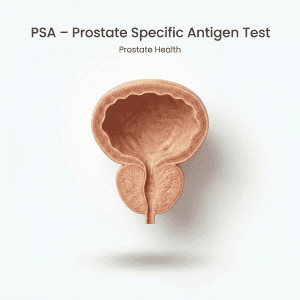
 The PSA-total Prostate Specific Antigen test in Ghatkopar is a simple blood test that measures the levels of PSA — a protein produced by both normal and malignant cells of the prostate gland. PSA circulates in the blood, and elevated amounts can be an early indicator of prostate issues, including prostate cancer, benign prostatic hyperplasia (BPH), or prostatitis.
While an elevated PSA is not a definitive diagnosis of cancer, it signals the need for a deeper prostate health evaluation. Early detection through PSA testing can significantly improve treatment outcomes.
Why Choose a PSA-Total Test in Ghatkopar
Ghatkopar, located in East Mumbai, offers several accredited pathology laboratories and clinics providing PSA-total Prostate Specific Antigen tests with quick reporting and expert consultations.
Choosing a local test in Ghatkopar means:
✔ Faster testing and reporting
✔ Affordable pricing
✔ Easy access for follow-up consultations
✔ Personalized guidance based on your health profile
Local labs often provide bundled male health checkups where PSA is included.
Who Should Consider a PSA Test?
PSA tests are commonly recommended for:
Men Aged 50 and Above
Routine screening for men over 50 helps catch changes before symptoms appear.
Men With Family History
If you have a brother or father diagnosed with prostate cancer, you may need testing earlier.
Urinary Symptoms
Symptoms such as:
- Frequent urination
- Difficulty starting or stopping urination
- Painful urination
- Weak urine flow
— may prompt a PSA test.
Post-Treatment Monitoring
Men previously treated for prostate cancer use PSA tests to monitor recurrence.
How the PSA-Total Test Works
The PSA Total test is a simple blood draw usually taken from the arm. Your doctor or phlebotomist will:
- Clean the area with antiseptic.
- Insert a needle to collect blood.
- Send the sample to the laboratory.
- Results are typically ready within 24–48 hours.
The lab measures PSA total levels and provides a range based on age and risk.
Normal PSA Levels
Normal PSA ranges vary by age:
Age Group | Normal PSA Range (ng/mL) |
40-49 | 0–2.5 |
50-59 | 0–3.5 |
60-69 | 0–4.5 |
70+ | 0–6.5 |
Levels above these ranges may require additional testing or specialist consultation.
Benefits of Early PSA Testing
✔ Early Detection of Prostate Conditions
Prostate cancer can develop without symptoms. Early testing helps detect changes before they become serious.
✔ Customized Patient Care
Doctors can tailor treatment plans based on PSA trends rather than only one reading.
✔ Peace of Mind
Routine testing brings confidence in prostate health and timely action.
✔ Reduced Risk of Advanced Cancer
When caught early, prostate abnormalities are often highly treatable.
Preparing for Your PSA Test
To get the most accurate result:
✔ Avoid ejaculation 48 hours before the test
✔ Avoid vigorous exercise (especially cycling) before testing
✔ Inform your doctor about medications such as Proscar/Avodart
✔ Test in the morning if possible
What Happens After Your PSA Test?
Once results are out, your doctor will interpret them based on age, symptoms, and medical history. If PSA is borderline or high, additional steps may include:
- Repeat testing
- Free vs. total PSA ratio
- Ultrasound imaging
- Urologist consultation
- Biopsy if indicated
Finding Trusted PSA Test Facilities in Ghatkopar
Look for:
✔ NABL-accredited labs
✔ Experienced pathologists
✔ Online booking and home collection services
✔ Transparent pricing and timely reports
Some facilities also provide expert urology consultations onsite.
PSA Test vs. Other Prostate Tests
Test Type | Purpose | Notes |
PSA Total | Measures total PSA in blood | Widely used for screening |
PSA Free | Measures unbound PSA | Helps assess cancer risk |
DRE (Digital Rectal Exam) | Physical evaluation | Complements PSA testing |
Prostate MRI | Detailed imaging | Used after abnormal PSA |
Common Myths About PSA Testing
Myth: PSA always means cancer
Elevated PSA can be due to BPH, infection, or recent ejaculation.
Myth: Only elderly men need testing
Family history or symptoms may justify testing even before 50.
Myth: One high PSA reading is a diagnosis
Doctors often confirm with repeat tests and other diagnostics.