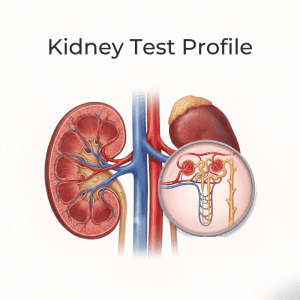
 Your kidneys perform essential roles in filtering waste, balancing fluids, regulating blood pressure, and maintaining overall body chemistry. A Kidney Test Profile test in Ghatkopar is a comprehensive blood and urine test that helps evaluate how well your kidneys are functioning. This test is especially crucial if you have risk factors like diabetes, hypertension, family history of kidney disease, or persistent urinary symptoms.
In this detailed guide, we’ll explore what the kidney test profile is, why it is important, how it’s done, the cost in Ghatkopar, preparation tips, and where you can get it done.
What is a Kidney Test Profile?
A Kidney Test Profile is a combination of several blood and urine tests that assess:
- Creatinine levels
- Blood Urea Nitrogen (BUN)
- Estimated Glomerular Filtration Rate (eGFR)
- Electrolytes (Sodium, Potassium)
- Urine analysis
These markers indicate how effectively your kidneys filter waste products and maintain chemical balance.
Why is the Kidney Test Profile Important?
The kidneys play a crucial role in:
- Filtering blood and eliminating waste
- Regulating fluid balance
- Controlling blood pressure
- Maintaining electrolyte levels
- Producing hormones for bone and heart health
Without proper kidney function, toxins accumulate, leading to complications like anemia, weak bones, nerve damage, and even kidney failure.
A Kidney Test Profile test in Ghatkopar helps:
✔ Detect early signs of kidney damage
✔ Monitor chronic conditions (diabetes, hypertension)
✔ Track the progression of kidney disease
✔ Assess treatment effectiveness
Who Should Get a Kidney Test Profile?
You should consider a kidney test if you:
- Experience fatigue, swelling, or frequent urination
- Have diabetes or high blood pressure
- Have family history of kidney disease
- Are over age 60
- Have abnormal urine tests or elevated blood pressure
Even without symptoms, early testing helps catch issues before they worsen.
What Does the Kidney Test Profile Include?
Blood Tests
✔ Serum Creatinine – identifies waste buildup
✔ BUN (Blood Urea Nitrogen) – detects kidney filtration efficiency
✔ eGFR – estimates filtering capacity
✔ Electrolytes – sodium & potassium balance
Urine Test
✔ Urinalysis – checks protein, blood, glucose, and infection markers
Together, these show a complete picture of your kidney health.
How to Prepare for the Kidney Test Profile
Preparation helps ensure accurate results:
- Fast for 8–12 hours before the test (as advised)
- Drink water but avoid heavy meals
- Avoid strenuous exercise 24 hours prior
- Inform lab about current medications
- Bring previous test reports if available
Always follow lab instructions for best outcomes.
What to Expect During the Test
The test process is simple and painless:
- Blood sample collected from your arm
- Urine sample collected on-site
- Lab analyzes the samples
- Results delivered within 24–48 hours
Most labs in Ghatkopar offer home collection and online report delivery.
Interpreting Test Results
Here’s what your report might reveal:
Normal values (Approximate)
- eGFR: ≥ 90 mL/min
- Creatinine: 0.6–1.3 mg/dL
- BUN: 7–20 mg/dL
- Protein in urine: Negative
Alerts
High creatinine or BUN = reduced kidney function
Low eGFR = possible kidney disease
Protein in urine = early sign of kidney damage
If your results are outside normal ranges, follow up with a nephrologist.
When to See a Doctor?
Visit a healthcare provider if you have:
- Persistent symptoms
- Abnormal kidney test results
- High blood pressure
- Diabetes or autoimmune conditions
- Family history of kidney disease
Early detection improves outcomes.