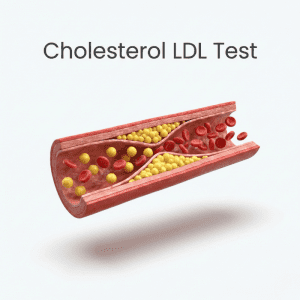
 Heart health is a major concern today, especially with fast-paced urban lifestyles. One of the most common tests recommended by doctors is the Cholesterol LDL test in Ghatkopar — a key indicator of cardiovascular risk. LDL (Low-Density Lipoprotein) is often called “bad cholesterol” because high levels can lead to plaque buildup in arteries, increasing the risk of heart attack and stroke.
This article will help you understand everything about the LDL cholesterol test — what it measures, why it’s important, how to prepare, where to get it done in Ghatkopar, typical costs, and how to interpret your results.
What is an LDL Cholesterol Test?
A Cholesterol LDL test measures the level of low-density lipoprotein (LDL) in your blood. Unlike HDL (“good cholesterol”), LDL carries cholesterol to your arteries, where it can accumulate as plaque. Over time, this buildup can narrow blood vessels, leading to cardiovascular diseases.
Components of a Cholesterol Profile
A cholesterol test usually includes:
✔ Total cholesterol
✔ LDL cholesterol
✔ HDL cholesterol
✔ Triglycerides
Among these, LDL is considered the most significant predictor for heart disease.
Why You Need a Cholesterol LDL Test
High LDL levels are associated with:
- Increased risk of heart attack
- Higher chances of stroke
- Narrowed arteries (atherosclerosis)
- Coronary artery disease
Doctors recommend routine LDL screening for:
- Individuals above 40 years
- People with a family history of heart disease
- Those with diabetes or high blood pressure
- Individuals with obesity or unhealthy lifestyles
Regular LDL tests help track changes over time and guide treatment decisions.
How to Prepare for a Cholesterol LDL Test
Here’s how you should prepare to ensure accurate results:
1. Fasting Before the Test
Doctors may ask you to fast for 9–12 hours prior to the test. This means:
- No food or drinks (except water)
- Avoid alcohol and high-fat foods the night before
2. Medications
Some medicines may affect cholesterol levels. Inform your doctor about:
✔ Statins
✔ Blood pressure medicines
✔ Hormonal supplements
✔ Vitamins or herbal supplements
3. Hydration
Drink adequate water before your test — it helps in easier blood draw.
What Happens During the Test?
The test is simple, safe, and quick:
- A healthcare professional will clean your arm.
- Blood is drawn from a vein (usually in the elbow).
- The sample is sent to a lab for analysis.
- Results are usually available in 24–48 hours.
Understanding Your LDL Cholesterol Levels
Here’s how to interpret your results:
LDL Level (mg/dL) | Meaning |
<100 | Optimal |
100–129 | Near Optimal |
130–159 | Borderline High |
160–189 | High |
≥190 | Very High |
Your doctor will advise lifestyle changes or medications based on your LDL level.
How Often Should You Get Tested?
General recommendations:
- Every 4–6 years if you are healthy and under 45
- Every 1–2 years for people with risk factors
- More frequently if you’re on cholesterol-lowering therapy
Lifestyle Changes to Lower LDL Cholesterol
If your LDL is high, here are effective steps to improve it:
1. Healthy Diet
✔ Reduce saturated fat
✔ Avoid trans fats
✔ Eat high-fiber foods
✔ Add omega-3 rich foods
2. Exercise
At least 30 minutes of moderate exercise most days can improve cholesterol.
3. Weight Management
Losing even a small amount of weight can reduce LDL levels.
4. Quit Smoking & Limit Alcohol
Both habits negatively impact cholesterol and heart health.