 In today’s fast-paced lifestyle, maintaining optimal health has become more important than ever. Early detection of potential health issues can be the difference between quick recovery and prolonged complications. One essential diagnostic tool often overlooked is the BUN (Blood Urea Nitrogen) test. Whether you’re monitoring kidney health or undergoing a routine health check-up, a BUN test can give valuable insights into your body’s metabolic functions.
For residents of Ghatkopar, access to accurate and rapid health testing services is now easier with the fastest BUN test services in town. In this guide, we’ll walk you through what the BUN test is, its importance, how it’s done, preparation, cost, and where to get it quickly in Ghatkopar.
What is a BUN (Blood Urea Nitrogen) Test?
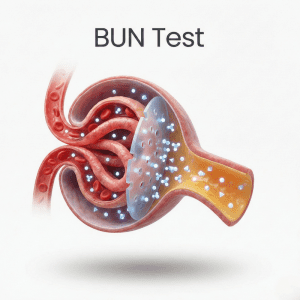
The BUN (Blood Urea Nitrogen) test measures the amount of urea nitrogen in your blood. Urea nitrogen is a waste product formed after the liver breaks down protein. Normally, waste products are filtered out of the blood by the kidneys and excreted in urine. High or low levels of BUN can indicate kidney dysfunction or other metabolic issues.
This test is an important part of routine health screenings and is often used alongside other parameters like creatinine to evaluate kidney function.
Why BUN Test is Important for Your Health
Here are the key reasons you should consider having a BUN test:
1. Assess Kidney Function
Your kidneys filter blood and remove waste. Elevated BUN may indicate decreased kidney function or kidney disease.
2. Monitor Hydration Levels
High BUN can be a sign of dehydration when the body conserves water and reduces kidney filtration.
3. Evaluate Liver Function
Low BUN can signal potential liver problems because urea production happens in the liver.
4. Check Metabolic Balance
The test helps in understanding how well your body is breaking down protein and processing metabolic waste.
Who Should Get a BUN Test?
You should consider a BUN test if:
- You have diabetes or high blood pressure (risk factors for kidney disease)
- You are on medications that affect kidney function
- You experience symptoms like swelling, fatigue, or changes in urination
- Part of a regular health checkup
- You want a complete metabolic profile
Symptoms That May Prompt a BUN Test
Signs your doctor might recommend a BUN test include:
- Unexplained fatigue or weakness
- Swelling in hands or feet
- Shortness of breath
- Nausea or vomiting
- Changes in urination frequency or color
- Poor appetite
How the BUN Test Works
The BUN test is a simple blood test. Here’s what to expect:
- Blood Sample Collection
A healthcare professional will draw blood from your arm, usually with a small needle. - Lab Analysis
The sample is sent to a diagnostic lab where urea nitrogen levels are measured. - Results
Most centres in Ghatkopar offer same-day or express results, making it ideal for quick diagnosis.
Preparing for a BUN Test
Before your test:
✔ Avoid eating large meals or high-protein foods
✔ Talk to your doctor about medications you’re taking
✔ Follow fasting instructions if advised
✔ Stay hydrated (unless fasting is required)
Preparation helps ensure accurate results.
Normal BUN Levels: What Do They Mean?
Typical BUN levels for adults range from 7 to 20 mg/dL (milligrams per deciliter).
- Higher BUN Levels
May indicate dehydration, kidney dysfunction, high protein diet, or heart problems. - Lower BUN Levels
Could suggest liver disease, malnutrition, or overhydration.
Your doctor will interpret the results in the context of your overall health and other lab reports.
Benefits of Early Detection
Catching kidney or metabolic issues early through a BUN test leads to:
- Better disease management
- Reduced risk of complications
- Personalized treatment plans
- Improved quality of life
Tips to Maintain Healthy Kidney Function
- Stay Hydrated
- Eat balanced diet
- Limit sodium & processed foods
- Regular exercise
- Regular health checkups
A BUN test is a simple step toward long-term wellness.